
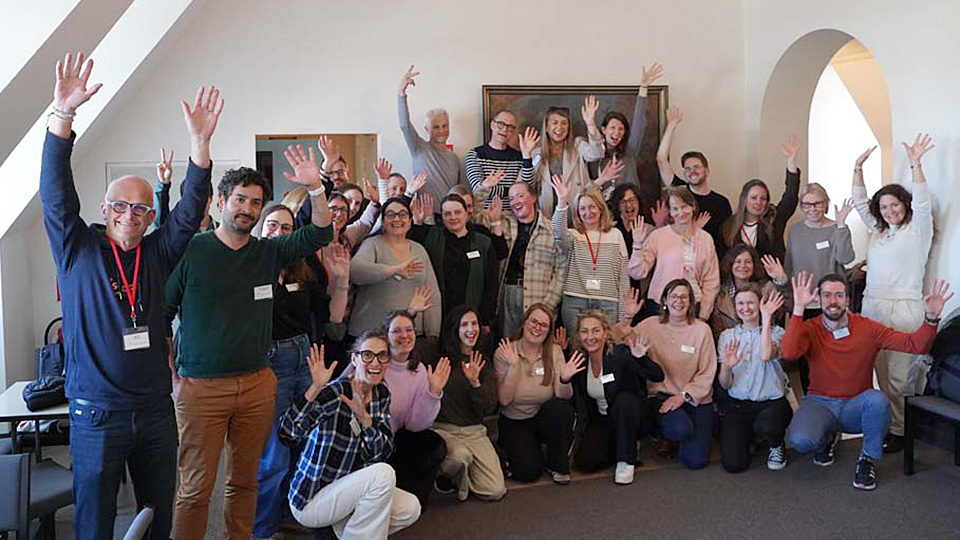
What do the art of storytelling, the philosophy of the senses, a plunge into a cold pool, and rowing together on the Baltic Sea have in common? They were all part of our ESN spring meeting in Helsinki.
Inspiration from Science and Philosophy
As usual, we started by welcoming a new member, this time Ruben Rama from Diageo and outlining the plans for the two days ahead.
We then joined forces with the Nordic Sensory Workshop and listened to inspiring talks on sustainability (Ingela Plamujoki; Rick Schifferstein) and the philosophy of the senses (Nicola Perullo). There are already promising approaches to make healthy food even tastier, but many of them still need to find their way from the lab into everyday life. This is where communication and storytelling come in, and where scientists can expand their skill set.
We learned from two researchers how to excel not only in data analysis but also in storytelling, and that even dancing your study results can be a surprisingly effective option (Sulo Roukka; Kristel Vene).
From Döner to Drinks
One example showed how sensory science can help design drinks that encourage people to choose more non-alcoholic and healthier options.
Have you ever noticed that people who order a Döner often forget to order water?
This observation led to the creation of the Döner Water. We had the chance to taste this almost legendary beverage, and yes, it really does taste a bit like pizza. It is always fascinating to see and taste what science-based start-ups are developing across different countries. At our last meeting in Porto, we sampled crunchy insects.
Storytelling in Practice
After a break to reconnect with fellow scientists, we split into smaller groups for a storytelling exercise.
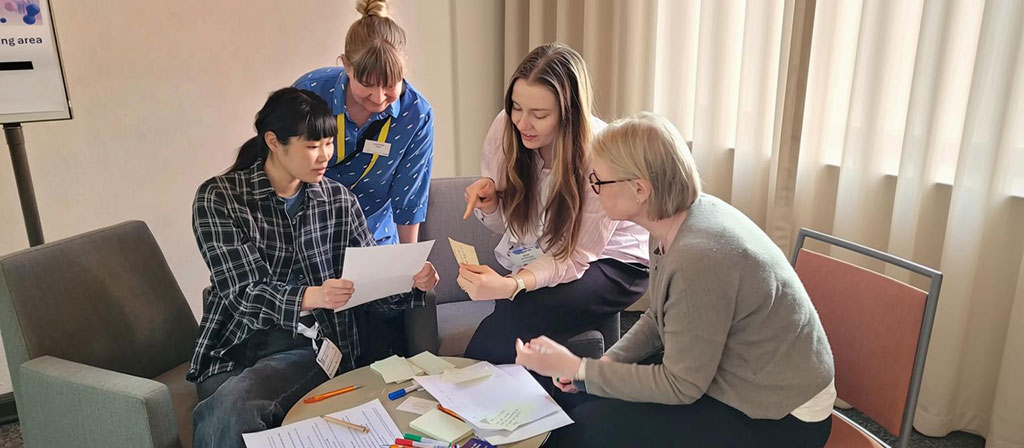
Using cue cards such as “magazine” or “controversy”, we created imaginative stories about the future.
Instead of falling back on the familiar “but that would never work”, we were encouraged to build on ideas with “yes, and…”.
Many of the stories explored a future in which non-animal protein sources lead to tasty and healthy foods. It is a simple but powerful exercise to get ambitious ideas moving. This facilitated science communication workshop introduced us to an approach inspired by Julia McQuillan’s Co-Constructing Multispecies Futures (Co-CoMuF) framework.
Research Exchange Across Borders
Later, we enjoyed delicious Finnish food before coming back together as ESN members. We reviewed our ongoing research projects and presented the outcomes of two projects that are already quite advanced and will soon be shared at conferences. The topics range from repurchase to GLP-1 and statistical approaches. We never get tired of pointing out how special the ESN research groups are, bringing together representatives from universities, research agencies, and industry. Each perspective adds value, and our projects typically span multiple countries and often even continents, including Europe, Argentina, and Canada.
Ideas, Discussions, and New Directions
The long coffee and discussion breaks gave us time to refine new research ideas and challenge our own hypotheses. The collective expertise in the group helps us test ideas rigorously and encourages us to explore new and sometimes more daring directions.
Sauna and Sunset
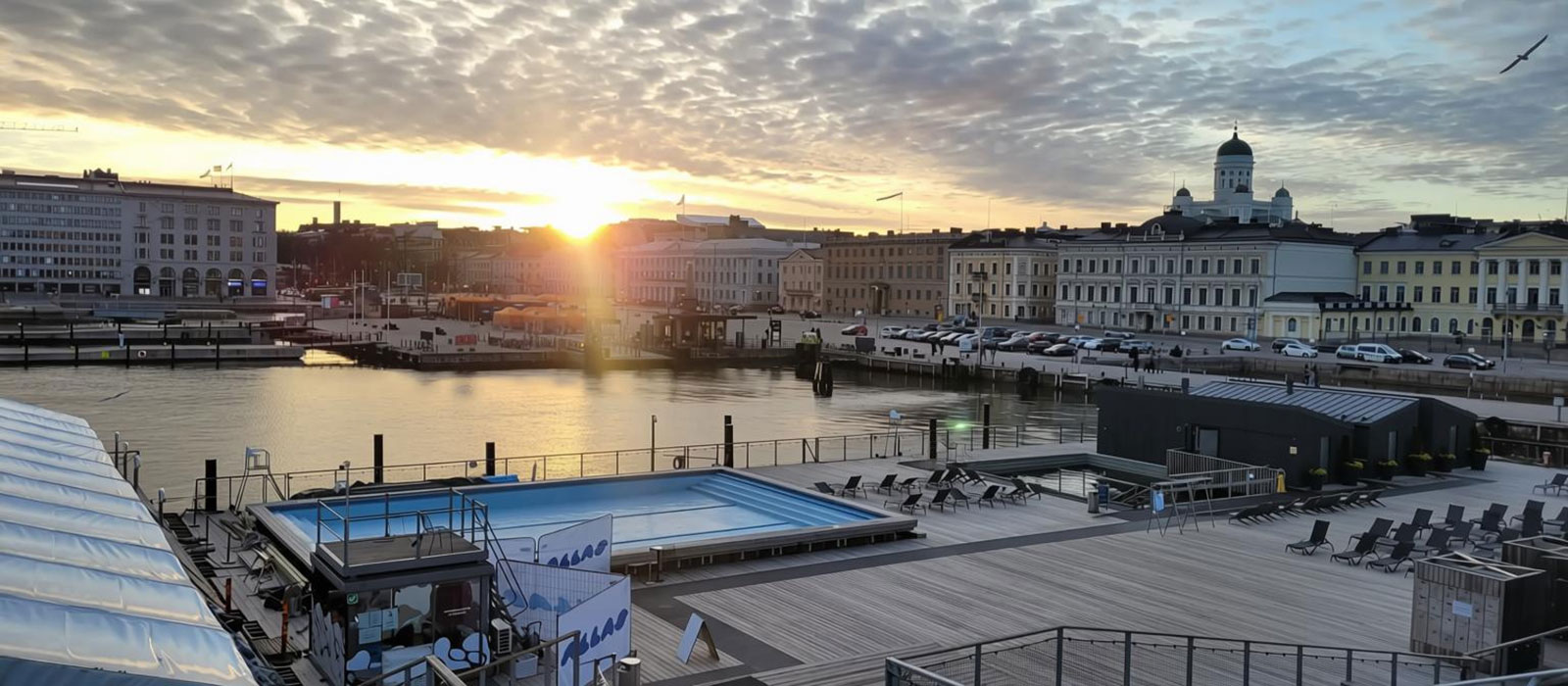
After a full day of science and exchange, we wound down at the famous Allas Sauna. We left the cameras behind and spent time together talking, laughing, and moving between the sauna and the cold pool, while enjoying the sunset over the Baltic Sea. We also tried a traditional salmon and potato soup and the local Finnish drinks.
Back to Business
The next day, we returned to business, summarising our plans, assigning responsibilities within the projects, and ensuring that budgets are aligned. As always, the ESN Management Board provided insights into the inner workings of the network, from finances to voting procedures.
Ending on a High Note
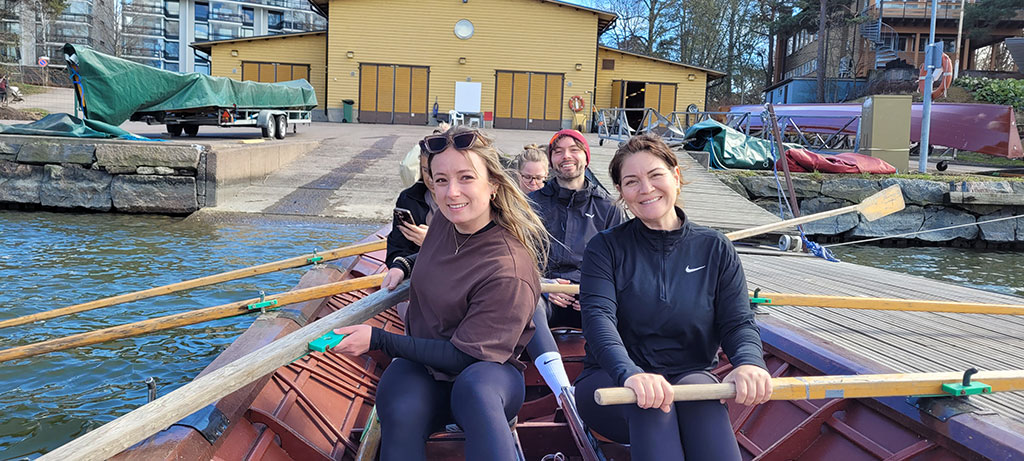
It was a meeting full of both content and connection. To extend the team spirit a little longer, twelve of us climbed into a traditional Finnish rowing boat and glided across the water at a steady rhythm. It is impressive how much speed can be gained when everyone works together in sync and heads in the same direction.
A big thank you to our hosts, Terhi Pohjanheimo and her team from the University of Turku!

