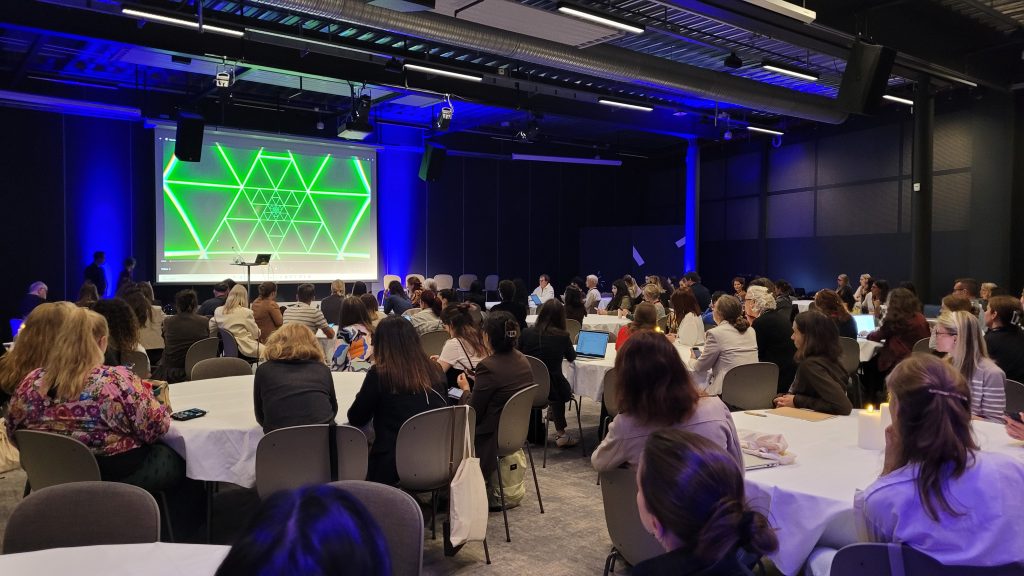
EuroSense 2026 in Oslo was a busy few days for ESN and exactly the kind of meeting we like: lots of science, lots of conversations, familiar faces, new people and quite a few unexpected ideas.
Eager to connect
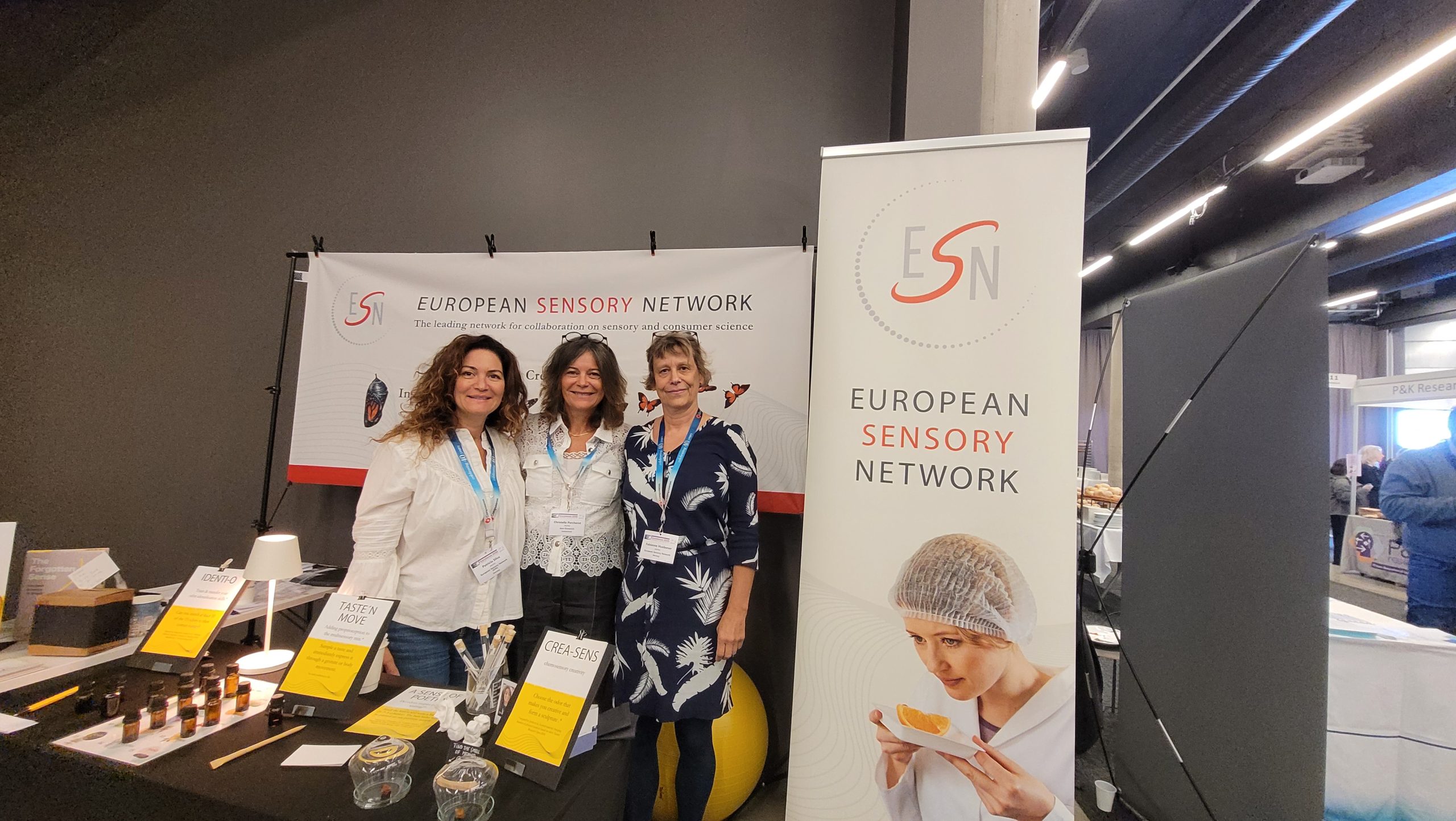
Our ESN table became a lively meeting point throughout the conference. Visitors came to learn more about the network, but also to sniff, taste, move and experiment with us.
There was strong interest in our Multisensory Smell Training project and app, combining odours with sound and visual art, and plenty of discussion about where this approach might go next.
And for those who preferred a more traditional attraction, there was our raffle: a bottle of whisky and Johan Olofsson’s book The Forgotten Sense. Science communication comes in many forms.
Sharing our research
The two ESN workshops were another highlight. Both “Impact in Sensory Science” and our workshop on smell training filled the room, with around 120–150 participants each. It was particularly special to have Prof. Thomas Hummel, one of the pioneers of smell training, joining us and sharing his expertise. But the workshops were not just about listening. We wanted to know what others thought, what was missing and where the research should go next.
The discussions produced a wealth of ideas – some of which may well turn into new research projects. We are currently analysing the input and will share the reports soon.
Looking for innovations
We have an eye on what is truly innovative in sensory science. Our research chair Lise Dreyfuss (right or left?) took a critical look at the concept of synthetic twins.
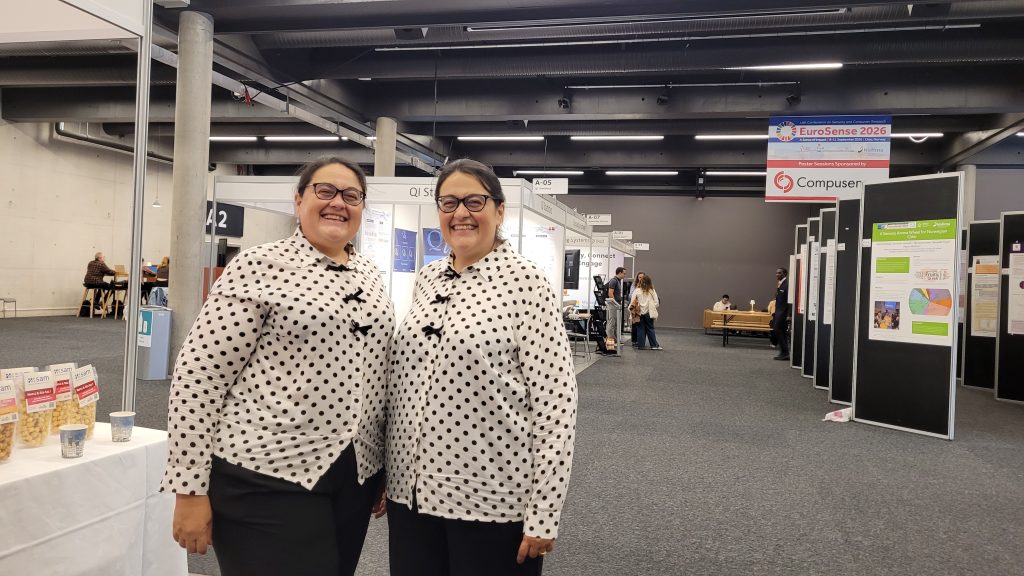
ESN members were highly visible across EuroSense, with excellent talks, posters and booths. One memorable moment came during Lise Dreyfuss’ keynote on digital and synthetic twins. After asking what synthetic twins might mean for sensory and consumer research, she introduced something rather harder to simulate: her real twin sister, who joined her on stage in front of more than 400 delegates. The audience loved it.
By the way, throughout the conference, ESN members were rating presentations regarding their contribution to innovation in the field. The results will be summarized in the ESN innovation report.
Coming home with new ideas
And perhaps that captures something of EuroSense 2026. The conference felt young, international, vibrant and curious. Everywhere, people were discussing new methods, questioning established ones and looking for better ways to connect sensory and consumer science with real life.
For ESN, that is what a conference should do. Communication works best when it becomes a conversation – and a conversation can lead to a new contact, a possible application or even a new research idea.
We came home from Oslo with plenty of all three. And we are very happy to be part of a community that keeps sensory and consumer science moving forward.